
Data Highlights:
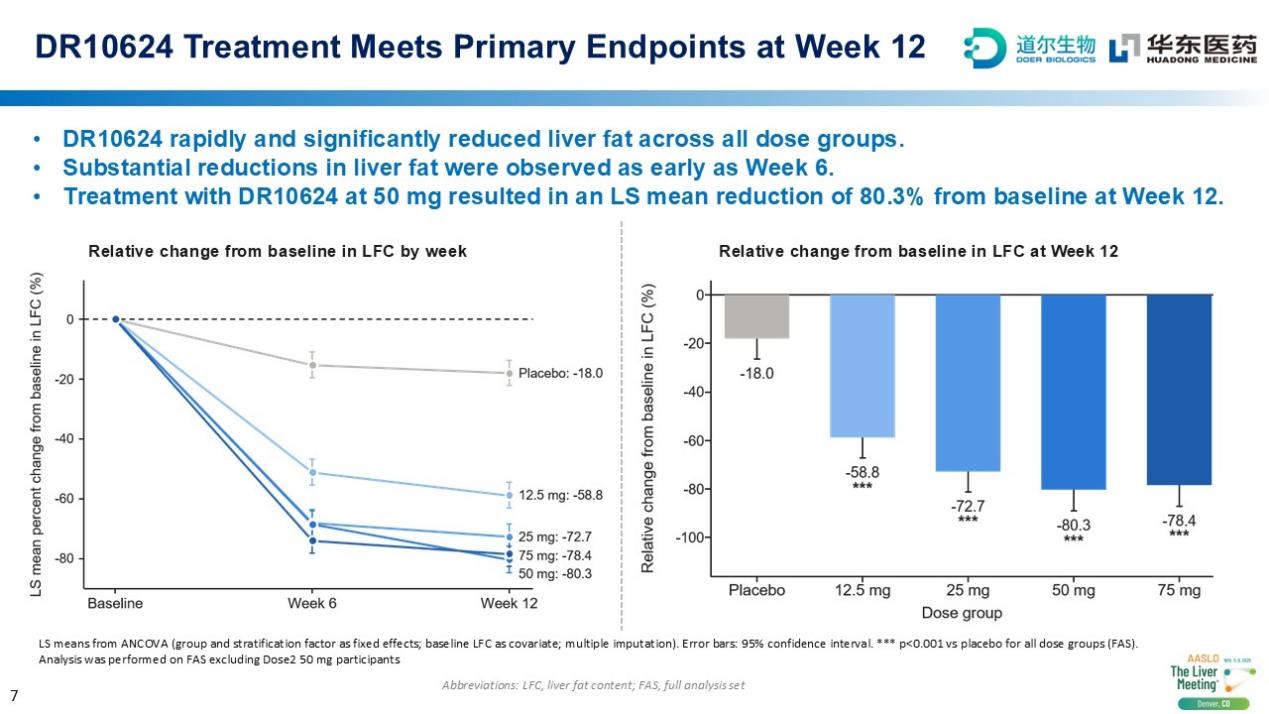
- At Week 12, the 50 mg dose group achieved an 80.3% relative reduction in liver fat content (LFC) from baseline (LS Mean); the reductions in all dose groups were significantly greater than that in the placebo group, with statistically significant differences; a marked decrease in LFC was observed as early as Week 6 of treatment.
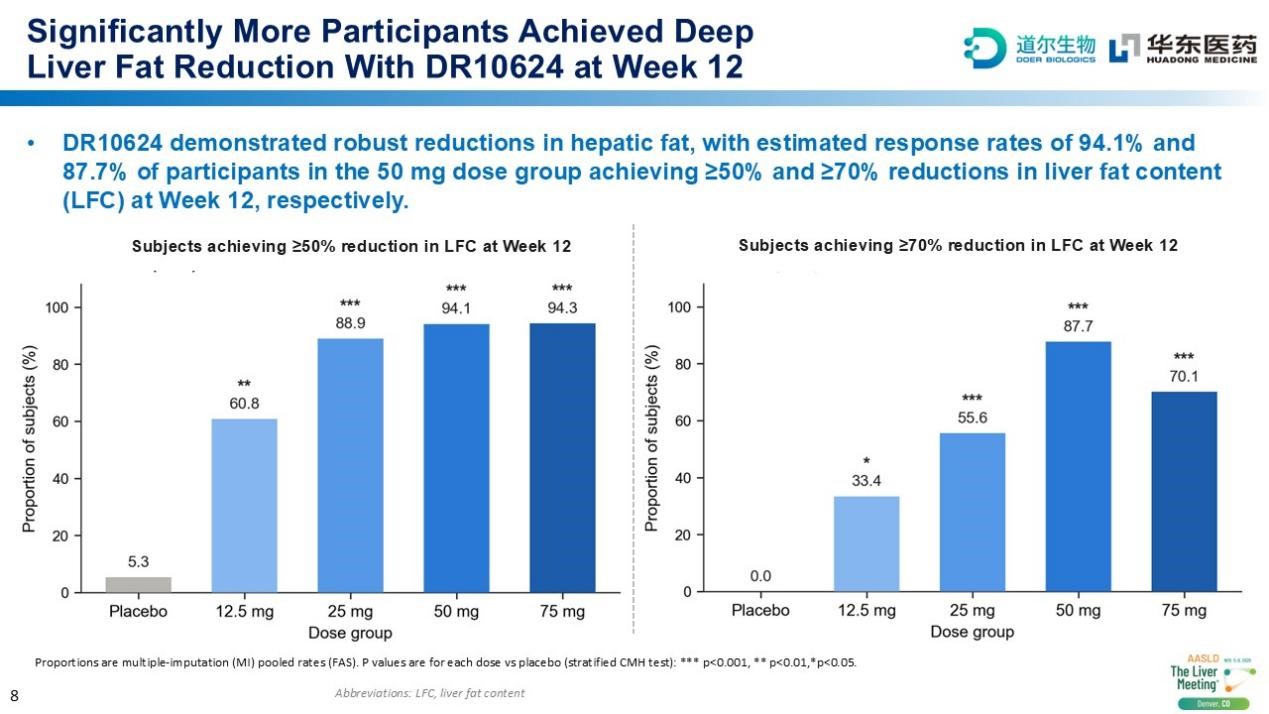
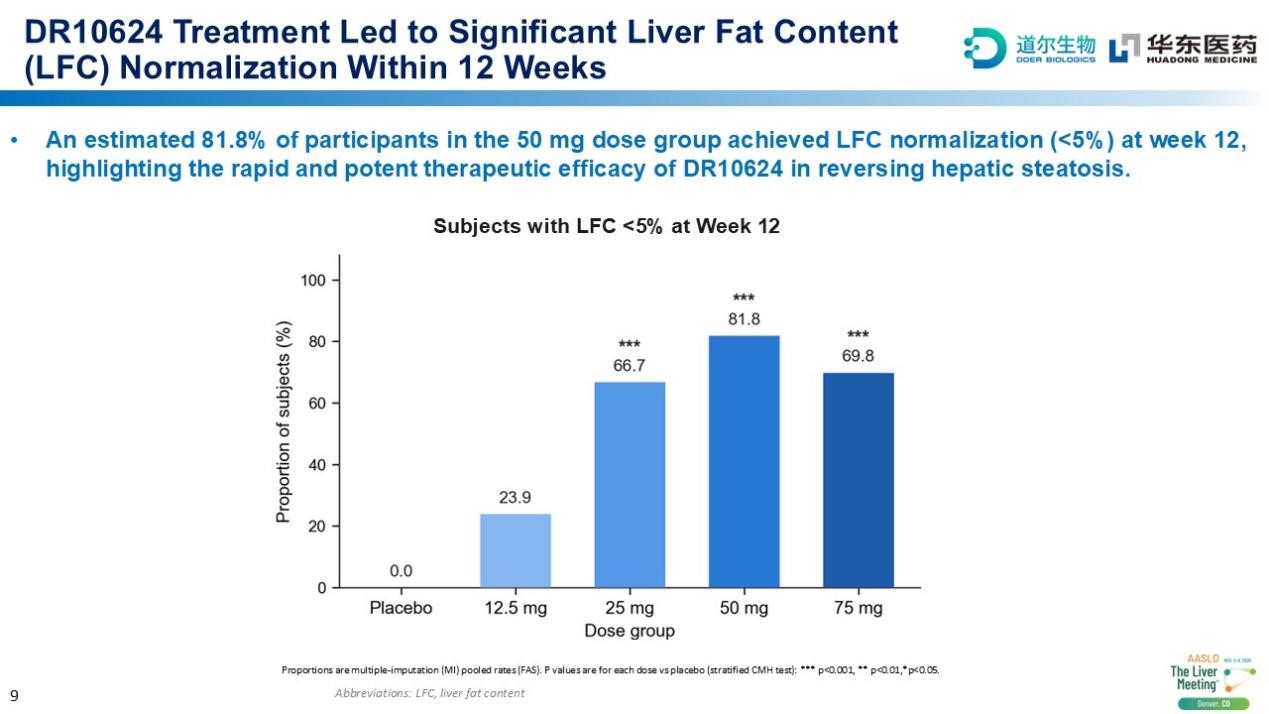
- In the 50 mg dose group, 94.1% and 87.7% of subjects achieved LFC reductions from baseline of ≥50% and ≥70%, respectively; 81.8% of subjects (with a mean baseline LFC of 19.7%, indicative of moderate-to-severe hepatic steatosis) achieved LFC <5% at Week 12, achieving complete normalization of liver fat.
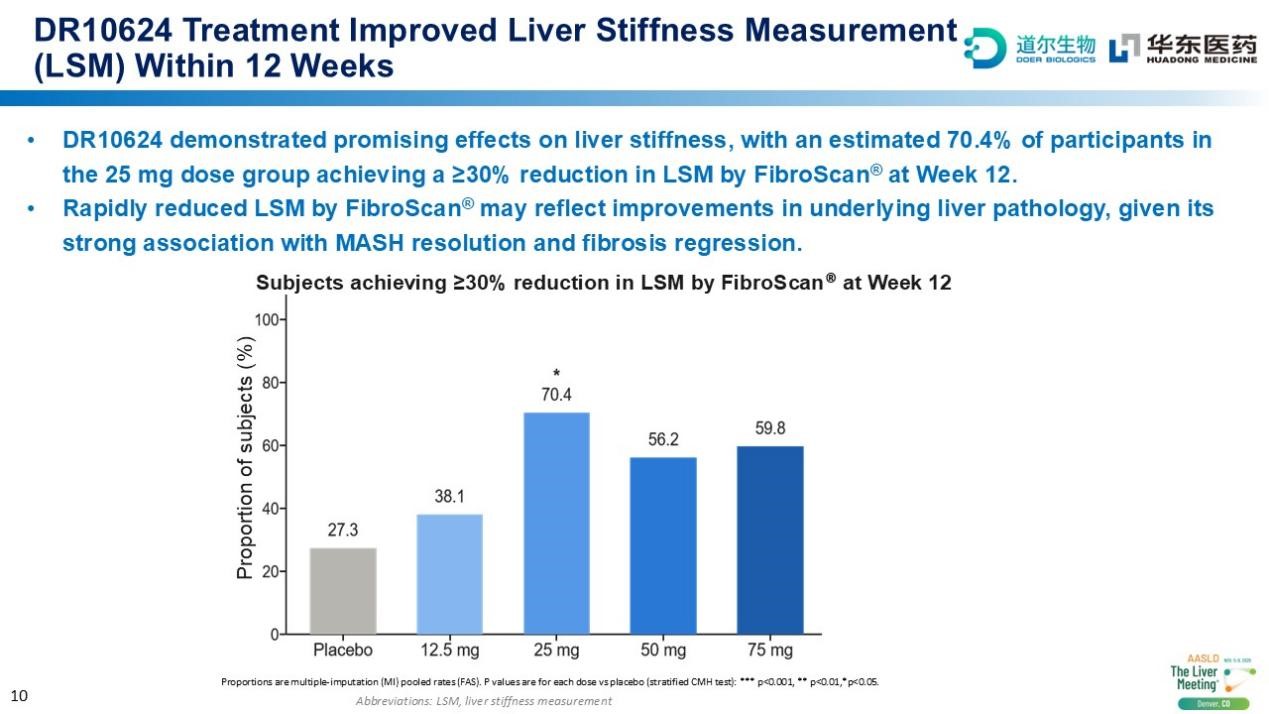
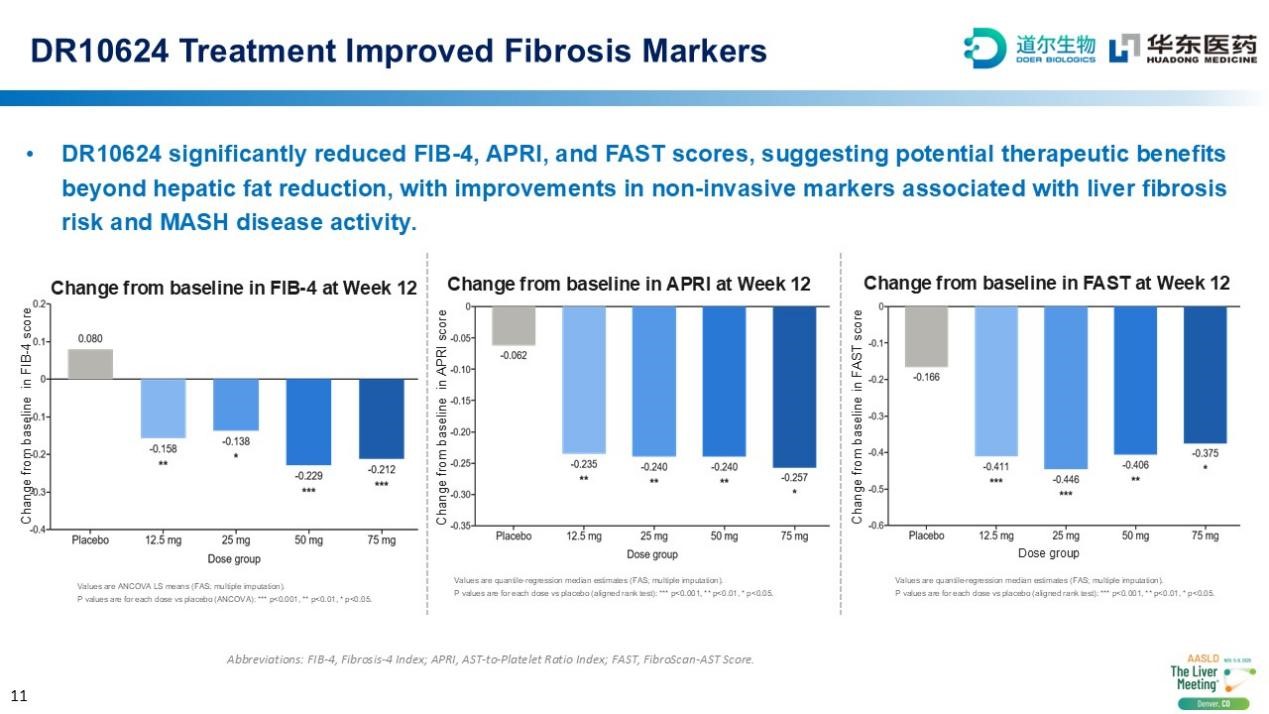
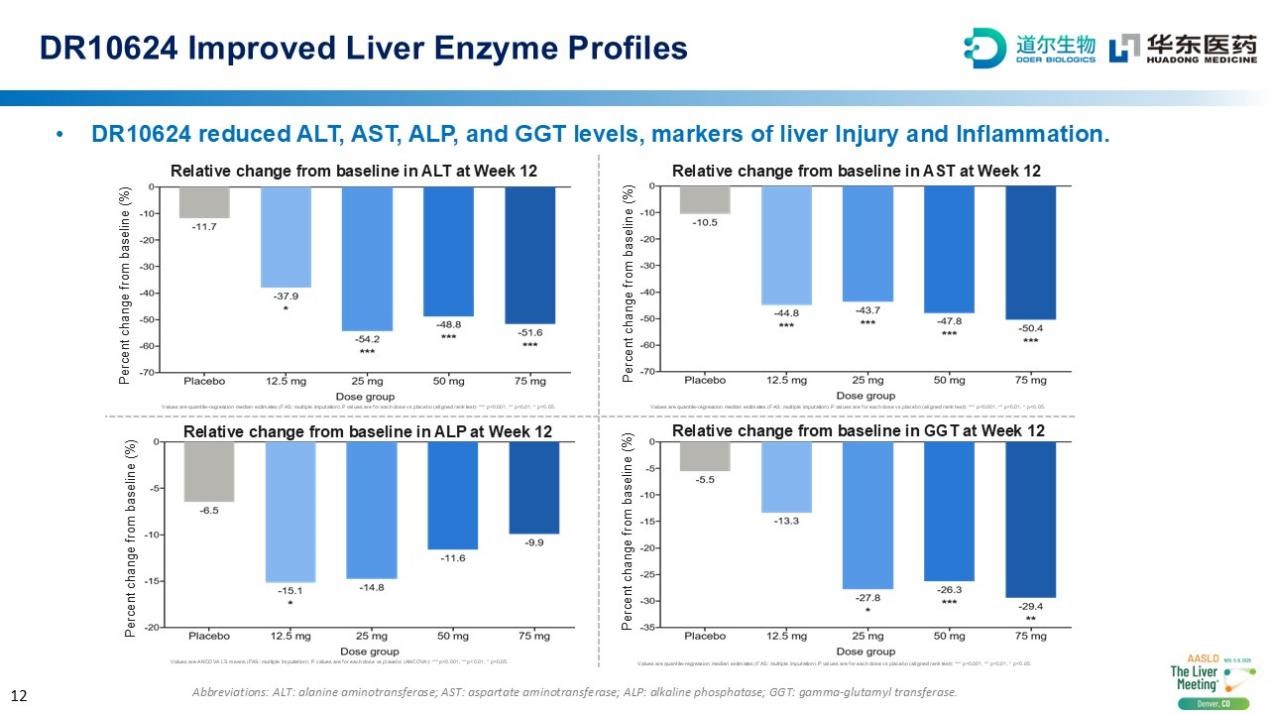
- In the 25 mg dose group, 70.4% of subjects achieved a ≥30% reduction in liver stiffness measurement (LSM) from baseline; all treatment groups showed concurrent improvements in liver fibrosis and liver enzyme indicators, including FIB-4, APRI, FAST, ALT, AST, ALP, and GGT.
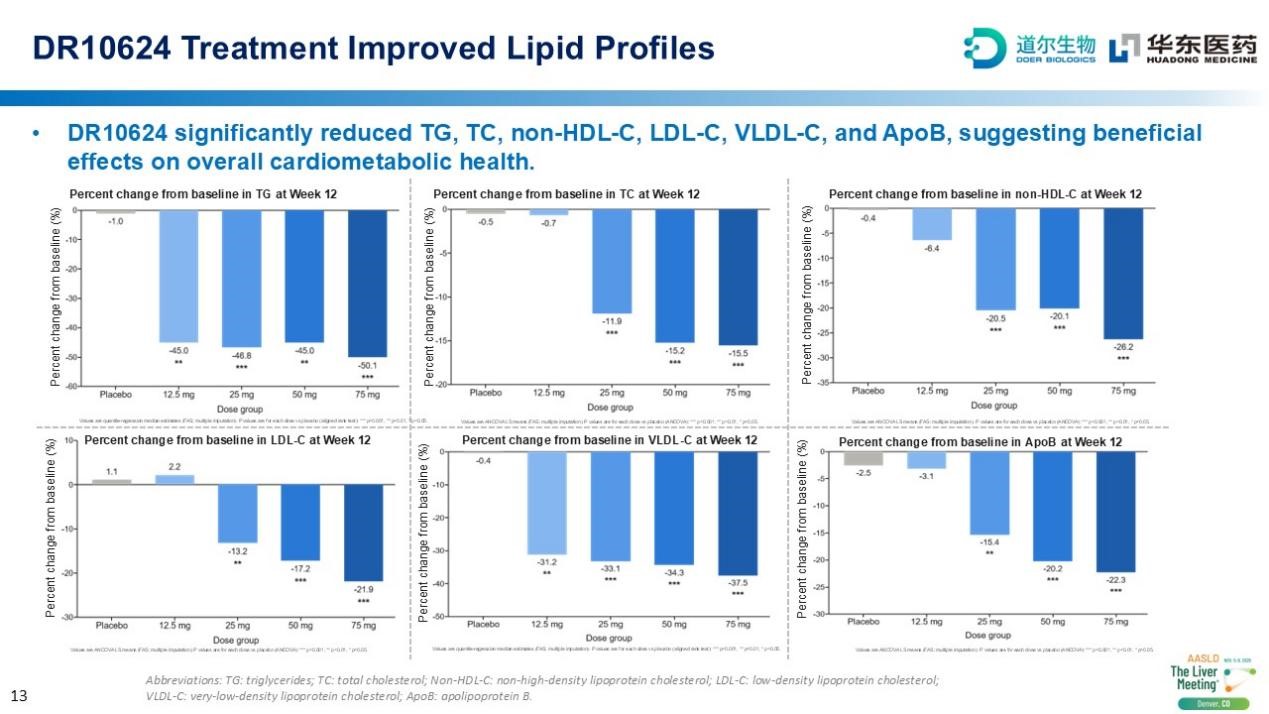
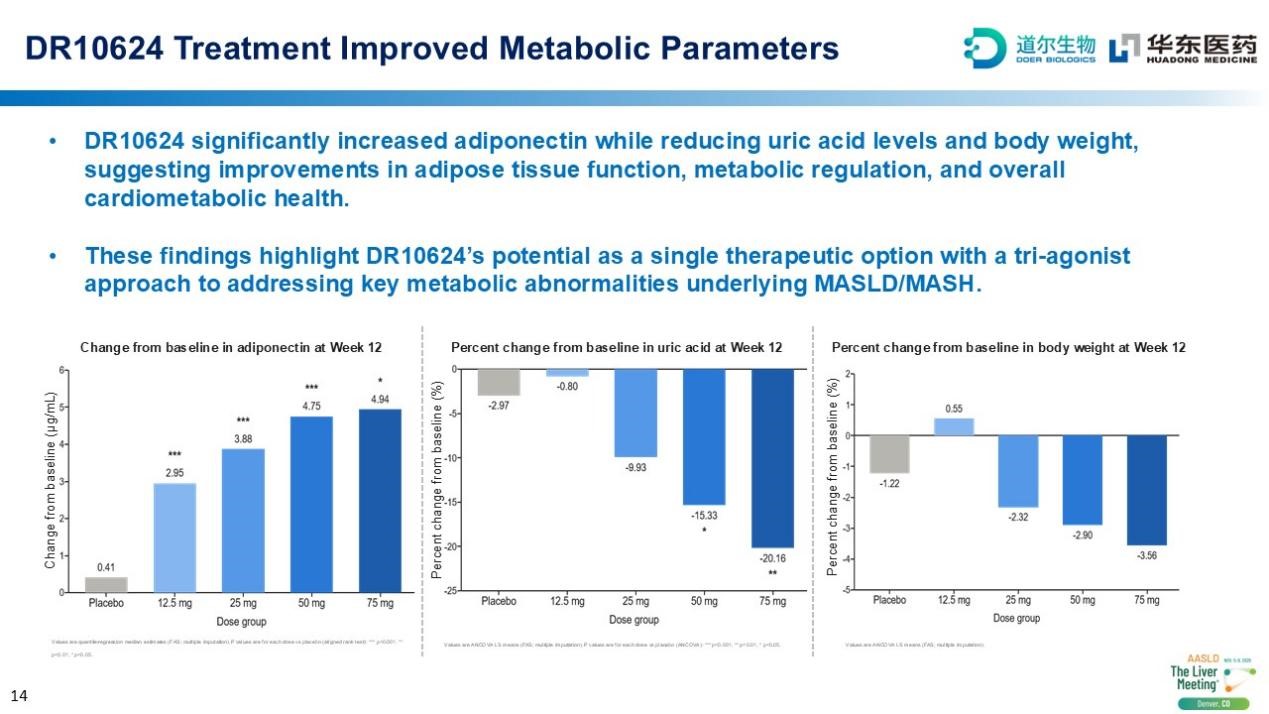
- Significant improvements were observed in the lipid profile (TG, TC, non-HDL-C, LDL-C, VLDL-C, ApoB), with increased adiponectin levels and reductions in uric acid and body weight.
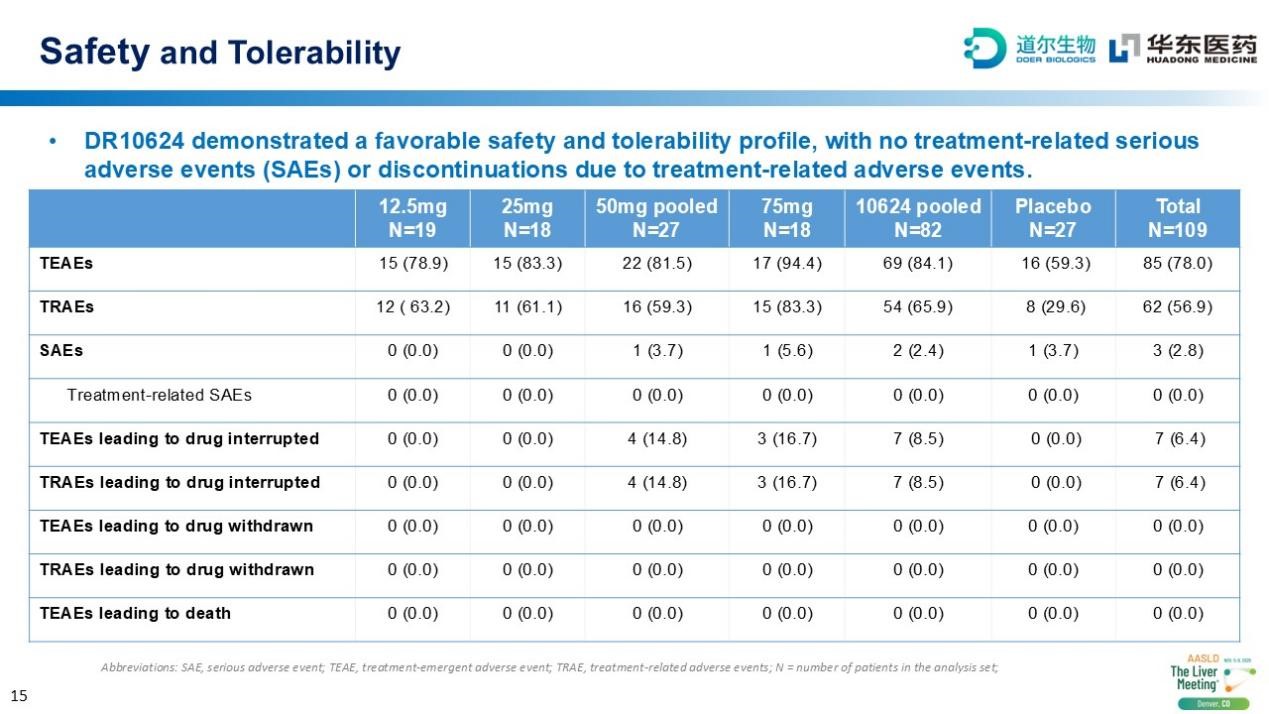
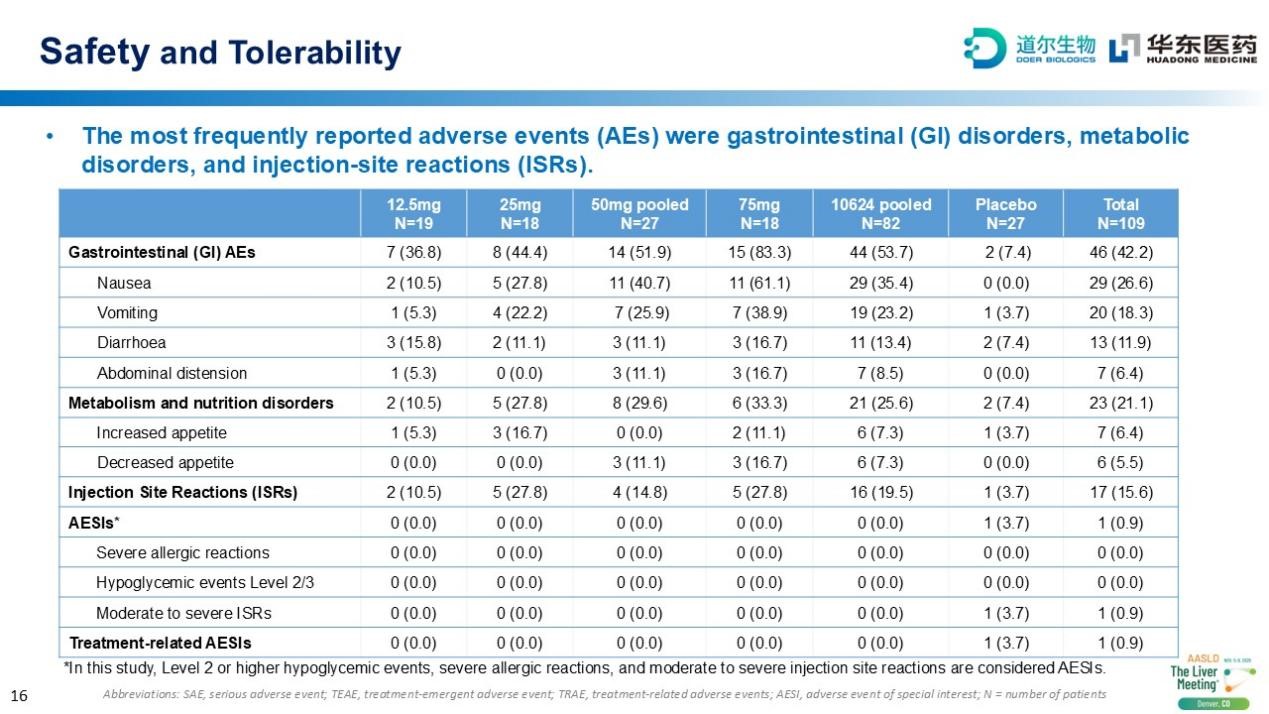
- The safety and tolerability profiles of all dose groups were favorable, with no drug-related serious adverse events (SAEs) reported; The most common TRAEs were nausea, appetite changes, and injection site reactions, predominantly mild to moderate in severity.
Hangzhou, Zhejiang, China, November 10, 2026 — Huadong Medicine Co., Ltd. ("Huadong Medicine") today announced that its controlled subsidiary Zhejiang Doer Biologics Co., Ltd. ("Doer Biologics"), a clinical-stage biopharmaceutical company focused on developing innovative biotherapeutic drugs for metabolic diseases and cancer, revealed that at the 2026 American Association for the Study of Liver Diseases (AASLD) Annual Meeting, The Liver Meeting® (TLM), the results of the Phase II clinical study ("DR10624-202 study") of its independently developed first-in-class (FIC) long-acting triple-specific agonist DR10624 targeting fibroblast growth factor 21 receptor (FGF21R), glucagon receptor (GCGR), and glucagon-like peptide-1 receptor (GLP-1R) for the treatment of metabolic dysfunction-associated steatotic liver disease (MASLD)/metabolic dysfunction-associated steatohepatitis (MASH) were first disclosed as a Late Breaking Abstract (LBA) in the Late Breaking Abstract Parallel Session 3.
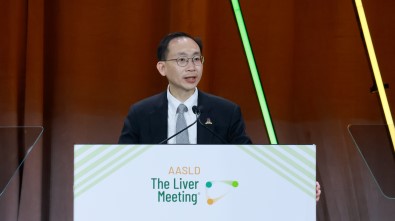
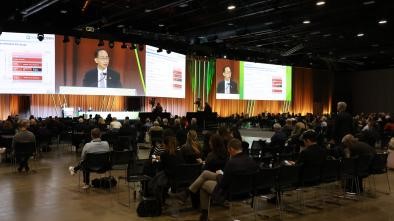
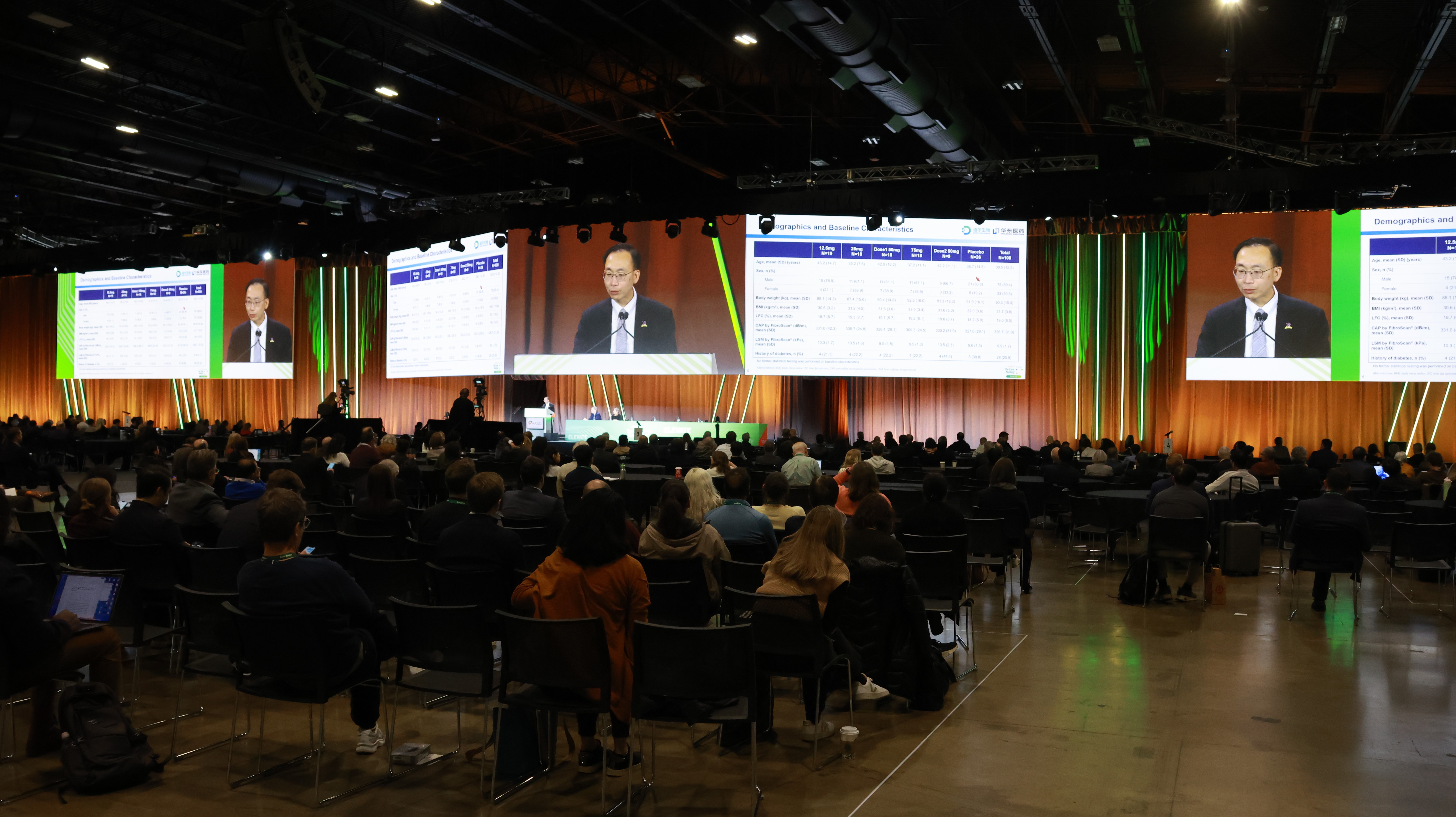
Professor Vincent Wai-Sun Wong, Associate Vice-President (Research) of The Chinese University of Hong Kong, Mok Hing Yiu Professor of Medicine, Assistant Dean (Development) of the Faculty of Medicine, and Head of the Division of Gastroenterology and Hepatology, the Principal Investigator of the DR10624-202 study, presented an oral report at the conference on behalf of the research team, disclosing for the first time the much-anticipated clinical data of the DR10624-202 study.
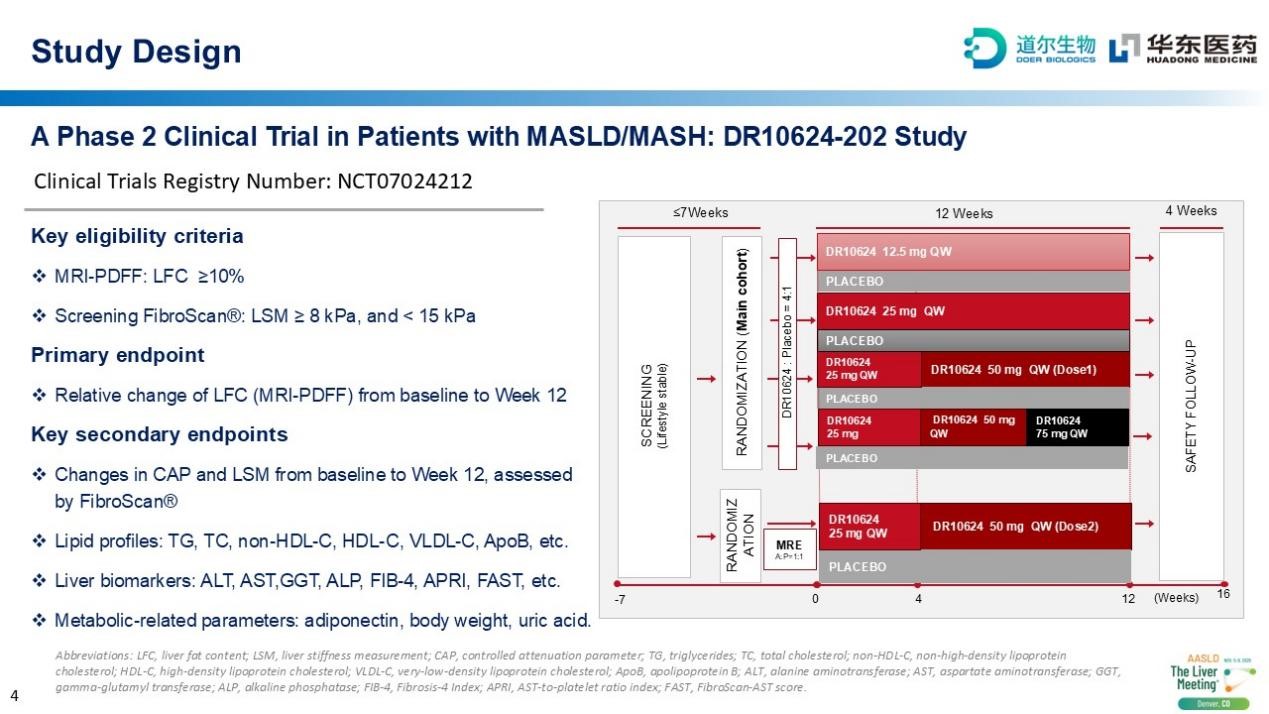
The DR10624-202 study is a multicenter, randomized, double-blind, placebo-controlled Phase II clinical study conducted in China. The Principal Investigators are Professor Shi Junping, Head of the Department of Medicine of Hangzhou Normal University and Executive Vice President of the Affiliated Hospital, and Professor Vincent Wai-Sun Wong, Associate Vice-President (Research) of The Chinese University of Hong Kong, Mok Hing Yiu Professor of Medicine, Assistant Dean (Development) of the Faculty of Medicine, and Head of the Division of Gastroenterology and Hepatology. The main inclusion criteria included: (1) age 18 to 75 years (inclusive), male or female; (2) screening period BMI within the range of 25-40 kg/m² (inclusive); (3) Magnetic Resonance Imaging-derived Proton Density Fat Fraction (MRI-PDFF) results showing liver fat content ≥10%; (4) screening period FibroScan® liver stiffness measurement (LSM) results meeting: 8 kPa ≤ LSM < 15 kPa. Eligible subjects were randomly assigned in a 1:1:1:1 ratio to four dose groups: 12.5 mg, 25 mg, 50 mg, and 75 mg. Within each dose group, subjects received DR10624 or an equal volume of placebo subcutaneously in a 4:1 ratio, once weekly for 12 consecutive weeks. The primary efficacy endpoint was the relative percentage change (%) in liver fat content (LFC) from baseline at Week 12 as assessed by MRI-PDFF. Key secondary endpoints included: safety and tolerability; changes from baseline in Controlled Attenuation Parameter (CAP) and LSM at Week 12 as assessed by FibroScan®; the proportion of subjects with a relative reduction in LFC from baseline of ≥30%, ≥50%, or ≥70% at Week 12; and the proportion of subjects with LFC <5%; lipid profile: such as triglycerides, total cholesterol, non-high-density lipoprotein cholesterol (non-HDL-C), high-density lipoprotein cholesterol (HDL-C), very low-density lipoprotein cholesterol (VLDL-C), apolipoprotein B (ApoB), etc.; liver biomarkers: such as alanine aminotransferase (ALT), aspartate aminotransferase (AST), γ-glutamyl transferase (GGT), alkaline phosphatase (ALP), Fibrosis-4 Index (FIB-4), AST-to-Platelet Ratio Index (APRI), FibroScan-AST (FAST), etc.; metabolic indicators: such as adiponectin, body weight, uric acid, etc.
Clinical results showed that all DR10624 dose groups demonstrated significant LFC reductions with rapid onset of action. In MASLD/MASH patients, a significant decrease in liver fat content was observed after only 6 weeks of treatment with DR10624. At Week 12, the relative reductions in LFC from baseline in all DR10624 dose groups were greater than that in the placebo group, with statistically significant differences. Among them, the 50 mg dose group achieved a relative reduction in LFC from baseline of up to 80.3% at Week 12 (least squares mean, LS Mean).
At Week 12, DR10624 demonstrated significantly higher response rates in MASLD/MASH patients. The proportion of subjects achieving LFC reductions from baseline of ≥50% or ≥70% in all DR10624 dose groups was significantly higher than that in the placebo group, with more subjects achieving deep elimination of liver fat. Among them, the 50 mg dose group was particularly outstanding, with 94.1% and 87.7% of subjects achieving liver fat content (LFC) reductions from baseline of ≥50% and ≥70%, respectively.
Furthermore, DR10624 treatment enabled rapid normalization of liver fat (LFC <5%) within 12 weeks. Among them, approximately 81.8% of subjects in the 50 mg dose group achieved complete normalization of liver fat content (LFC <5%) at Week 12, highlighting the rapid and potent therapeutic effect of DR10624 in reversing hepatic steatosis.
Meanwhile, DR10624 treatment also demonstrated positive effects on improving liver stiffness measurement (LSM) within 12 weeks. Compared with placebo, all DR10624 treatment groups showed encouraging efficacy signals in improving liver stiffness. At Week 12, approximately 70.4% of subjects in the 25 mg dose group achieved a ≥30% reduction in LSM from baseline as measured by FibroScan®. Given that LSM is closely associated with MASH resolution and liver fibrosis reversal, the rapid decline in LSM measured by FibroScan® suggests that DR10624 may have the potential to improve underlying liver pathological conditions.
DR10624 treatment also demonstrated positive effects on improving liver fibrosis-related indicators. Clinical study results showed that DR10624 significantly reduced FIB-4 index, APRI index, and FAST score, suggesting that its potential therapeutic benefits may not only be reflected in reducing liver fat but may also further improve multiple non-invasive assessment indicators related to liver fibrosis risk and MASH disease activity, demonstrating the potential for multidimensional improvement of liver health.
At the same time, DR10624 treatment also significantly improved multiple liver enzyme indicators. Clinical study results showed that DR10624 effectively reduced levels of alanine aminotransferase (ALT), aspartate aminotransferase (AST), alkaline phosphatase (ALP), and γ-glutamyl transferase (GGT). The improvement in these indicators further reflects the potential therapeutic benefits of DR10624 in improving liver injury and related inflammatory markers.
In addition, DR10624 also demonstrated excellent efficacy in improving the atherogenic lipid profile. Compared with the placebo group, after 12 weeks of treatment with DR10624, subjects showed significant improvements in multiple lipid indicators, including triglycerides (TG), total cholesterol (TC), non-high-density lipoprotein cholesterol (non-HDL-C), low-density lipoprotein cholesterol (LDL-C), very low-density lipoprotein cholesterol (VLDL-C), and apolipoprotein B (ApoB) levels. These results further reflect the potential therapeutic value of DR10624 in improving dyslipidemia and providing overall cardiometabolic health benefits.
More encouragingly, DR10624 treatment also demonstrated positive effects on improving multiple important metabolic indicators. Clinical study results showed that DR10624 significantly increased adiponectin levels (suggesting substantial improvement in insulin sensitivity of subjects), while reducing uric acid levels (potential benefits for organs such as the kidneys and heart) and body weight, suggesting that it may not only help improve liver fat but may also further optimize metabolic regulation and overall cardiovascular metabolic health. The above results further highlight the potential therapeutic value of DR10624 as a monotherapy based on a triple receptor agonist mechanism for multidimensional intervention in MASLD/MASH, as well as MASLD/MASH-related cardiovascular metabolic abnormalities and improvement of insulin sensitivity.
All DR10624 dose groups demonstrated favorable safety and tolerability in this study, with the severity of adverse reactions mainly mild to moderate. No drug-related serious adverse events (SAEs) occurred during the 12-week treatment period. The most common treatment-related adverse events (TRAEs) included nausea, appetite changes, and injection site reactions.
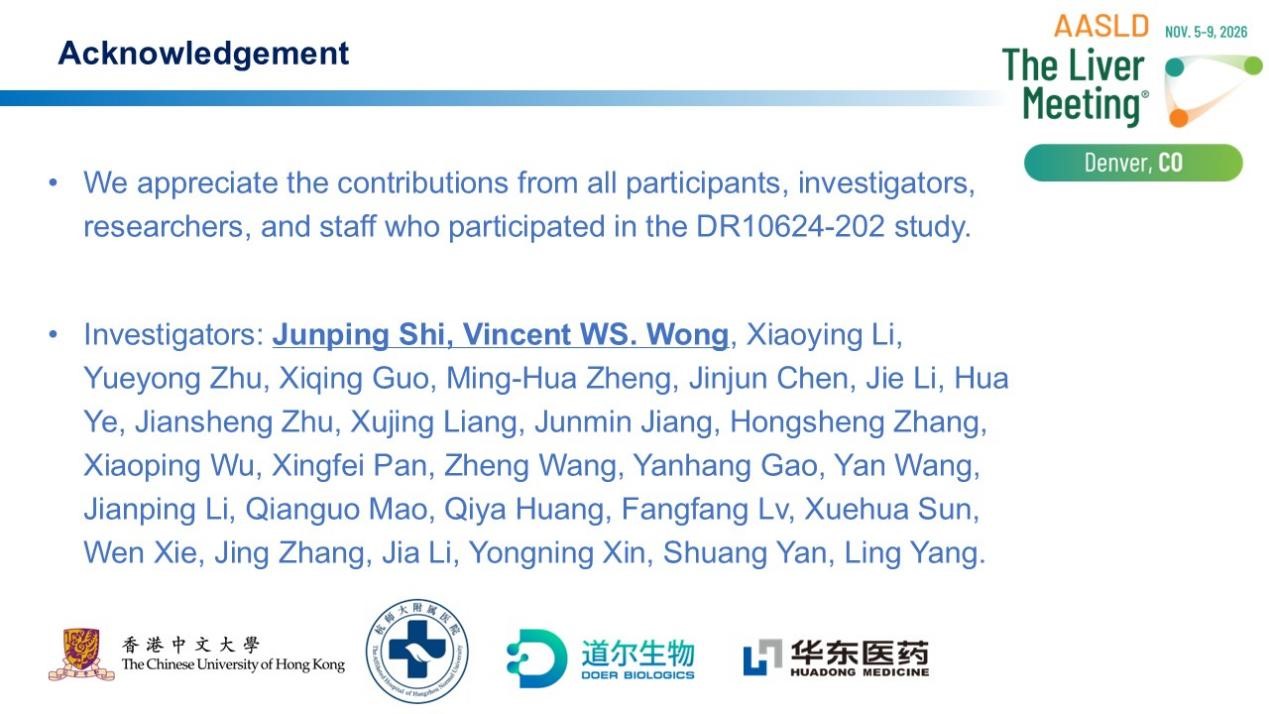
The excellent clinical data of the DR10624-202 study demonstrate that this globally first-in-class long-acting triple agonist targeting FGF21R, GCGR, and GLP-1R is expected to bring new hope for the treatment of patients with fatty liver, MASLD, and MASH! DR10624 treatment can rapidly and significantly reduce liver fat content and has demonstrated positive effects in improving liver stiffness, liver enzyme levels, fibrosis and liver inflammation-related markers, lipid profile, and multiple cardiovascular metabolic indicators, reflecting its therapeutic potential for multidimensional improvement of liver health and overall cardiovascular metabolic status and enhancement of insulin sensitivity. As a monotherapy, DR10624, by simultaneously targeting the three major receptors FGF21R, GCGR, and GLP-1R, is expected to synergistically intervene in MASLD/MASH from multiple key pathological links, providing an innovative comprehensive treatment strategy for cardiorenal hepatic metabolic syndrome (CKLM). In addition, DR10624 demonstrated favorable safety and tolerability across all dose groups. Overall, the Phase II clinical study results of DR10624 provide strong support for its further clinical development and demonstrate its promising prospects as an innovative therapeutic candidate for MASH and related cardiovascular metabolic diseases.
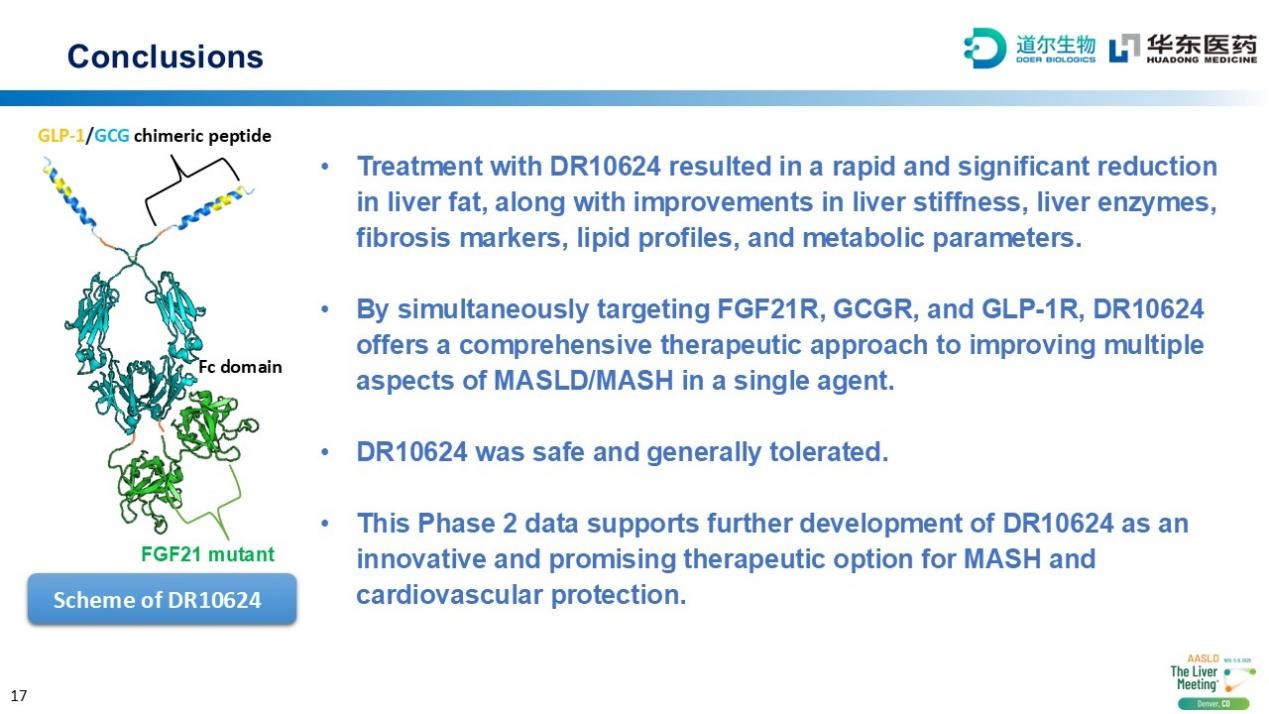
We would also like to sincerely thank the subjects, investigators, researchers, staff, and others who participated in the DR10624-202 study!
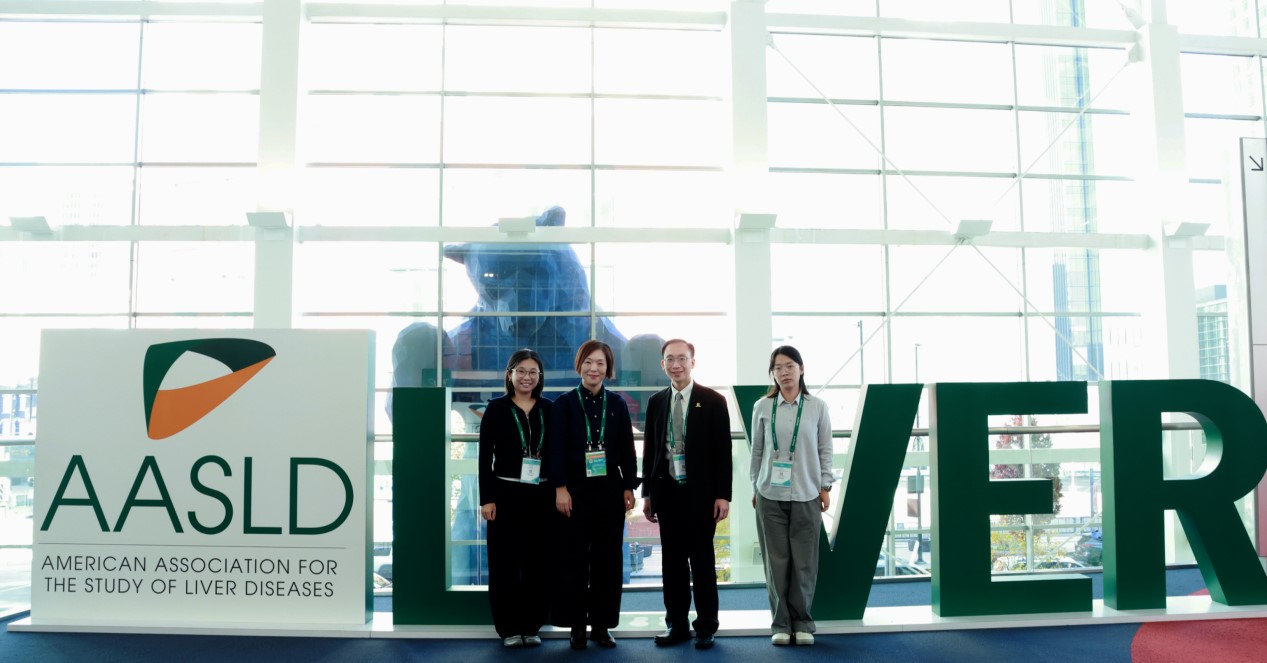
Dr. Xu Junfang, Chief Medical Officer of Huadong Medicine, Dr. Luan Zijian, Clinical Medicine Director, and Dr. Yu Si, Clinical Research Physician, also traveled to Denver, USA, with Professor Vincent Wai-Sun Wong to attend the AASLD 2026 conference.
Mr. Lv Liang, Chairman and General Manager of Huadong Medicine, stated: "We are very pleased to see that the Phase II clinical research results of DR10624 were successfully selected as a Late-Breaking Abstract (LBA) at AASLD 2026 and were announced to the world in the form of an oral presentation at this top global academic event in the field of liver diseases. This not only fully affirms the clinical research value of DR10624 but also fully demonstrates the innovative strength of Huadong Medicine and Doer Biologics in the research and development of innovative drugs for metabolic diseases and liver diseases. In the future, Huadong Medicine and Doer Biologics will continue to adhere to innovation-driven development, deepen innovative drug research and development, accelerate the advancement of more Chinese original innovative therapies to the international stage, and bring more high-quality treatment options to patients worldwide!"
Mr. Huang Yanshan, Founder & CEO of Doer Biologics, stated: "DR10624 is a first-in-class (FIC) long-acting triple-specific agonist targeting the three major receptors FGF21R, GCGR, and GLP-1R, developed based on Doer Biologics' proprietary MultipleBody® platform technology, aimed at bringing multidimensional and comprehensive metabolic benefits to patients with metabolic diseases. At this year's AASLD 2026 Annual Meeting, the team of Professor Li Jie from Nanjing Drum Tower Hospital, through an oral presentation (Abstract No.: 0082), first disclosed the non-clinical pharmacodynamic research results of DR10624 in two mouse MASH models, namely the CDA-HFD (Choline-Deficient, L-Amino Acid-Defined High-Fat Diet)-induced MASH model (established by long-term feeding of a choline-deficient, L-amino acid-defined high-fat diet) and the MASH model induced by 24 weeks of High-Fat, High-Fructose Diet (HFHFD). The research results showed that DR10624 demonstrated potent anti-liver fibrosis effects in both in vitro and in vivo studies, and showed superior efficacy to the GLP-1R single-target agonist semaglutide in improving MASH-related liver fibrosis. These findings further revealed the potential anti-fibrotic mechanism of action of DR10624 and its development potential in the field of MASH treatment. Combined with the positive results of the Phase II clinical study of DR10624 for the treatment of MASLD/MASH first announced at this international top academic stage, AASLD 2026, we not only showcased the research and development strength of China's original innovative drugs to the world but also further enhanced our confidence in Doer Biologics' independent innovation platform technology and its continuous development potential."
Mr. Fang Yongliang, Chief Operating Officer of Doer Biologics, stated: "The public health burden posed by MASLD/MASH is receiving increasing global attention. MASLD patients have a higher risk of developing cardiovascular diseases and type 2 diabetes, and MASH, as a more severe stage in the MASLD disease spectrum, can further progress to liver fibrosis, cirrhosis, liver failure, and even hepatocellular carcinoma, seriously threatening the long-term health of patients. The results of the DR10624-202 study first announced at the AASLD 2026 Annual Meeting through a Late-Breaking Abstract (LBA) oral presentation showed that DR10624 demonstrated statistically significant improvements in multiple key efficacy indicators, including rapid and deep reduction of liver fat content, improvement of liver stiffness and fibrosis-related indicators, reduction of liver enzyme levels, comprehensive improvement of the atherogenic lipid profile, and enhancement of insulin sensitivity and reduction of uric acid levels. The above research results indicate that the potential therapeutic benefits of DR10624 are not only reflected in the deep elimination of liver fat but may also extend to multidimensional improvement of liver health and systemic metabolic status, potentially bringing more comprehensive metabolic benefits to MASLD/MASH patients."